Best Summer Ever?
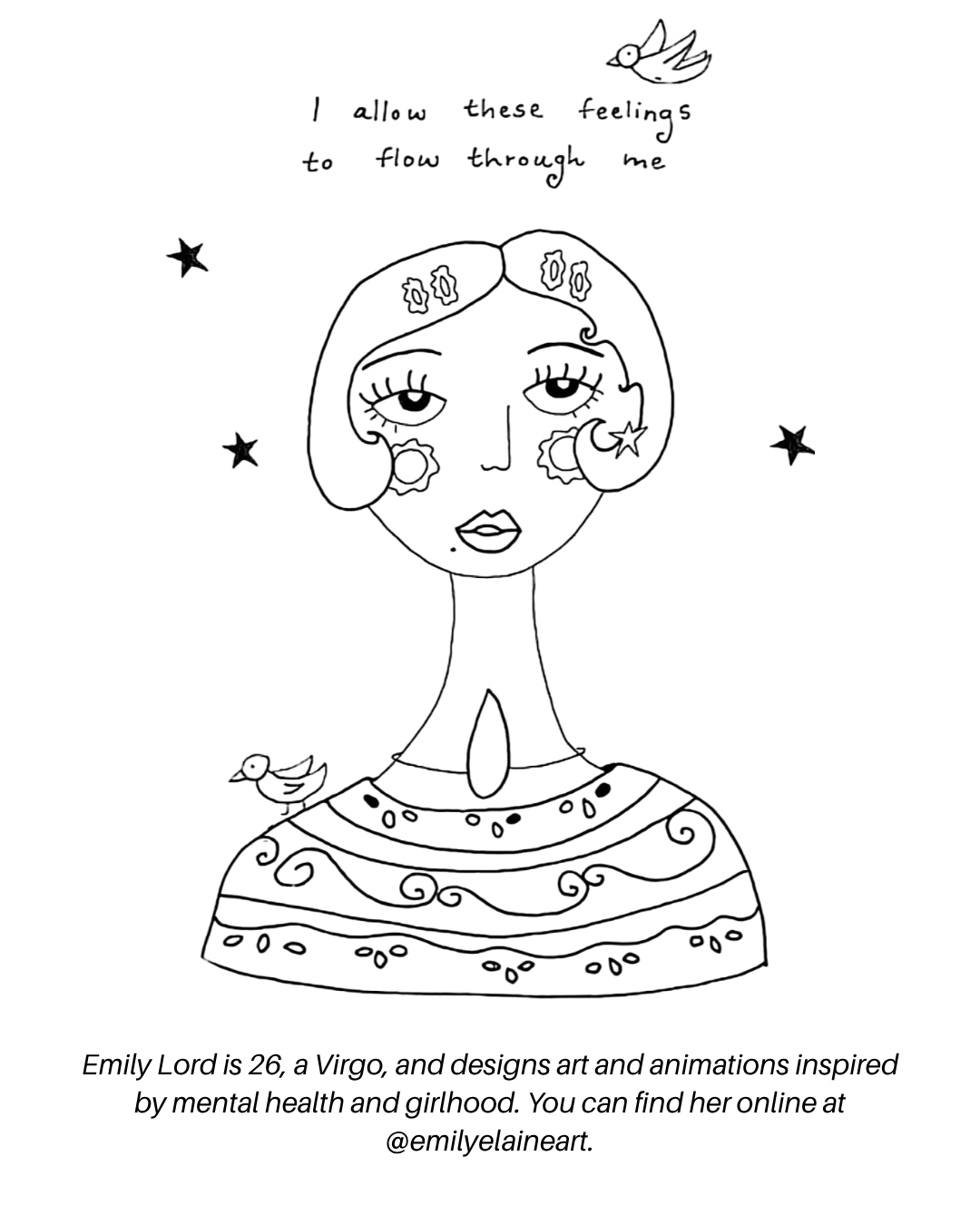
art by emily lord

Instagram came out when I was fifteen. I vividly remember the moment when one summer, while lying in bed on a Saturday night, I scrolled past photos of my friends hanging out by a pool at someone’s house. They were tan and smiling and laughing in their matching neon bikinis, having a great time hanging out without me, or so I told myself. I felt a weird combination of anger, boredom, and loneliness that I didn't really have a name for yet.
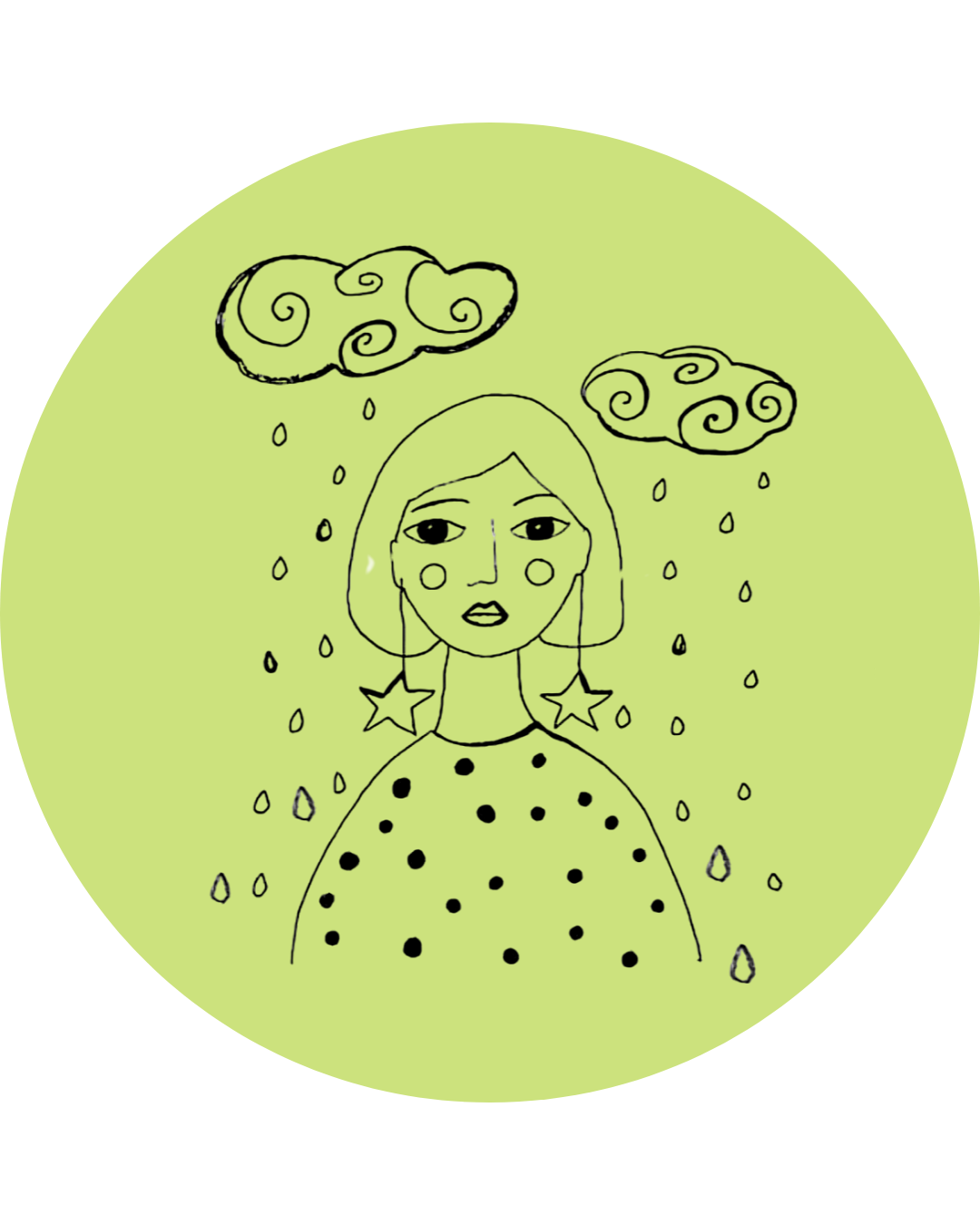
That feeling is now, of course, known as the fear of missing out, aka FOMO, and it’s been around longer than you might think. The term FOMO was coined in 2004 to describe what was happening on early social networking sites, and it made its way into the Oxford Dictionary in 2013. Psychologists define FOMO as the feeling that others are having rewarding experiences that you're not part of. Basically: the anxiety that everyone else is living their lives while you're just watching it happen.
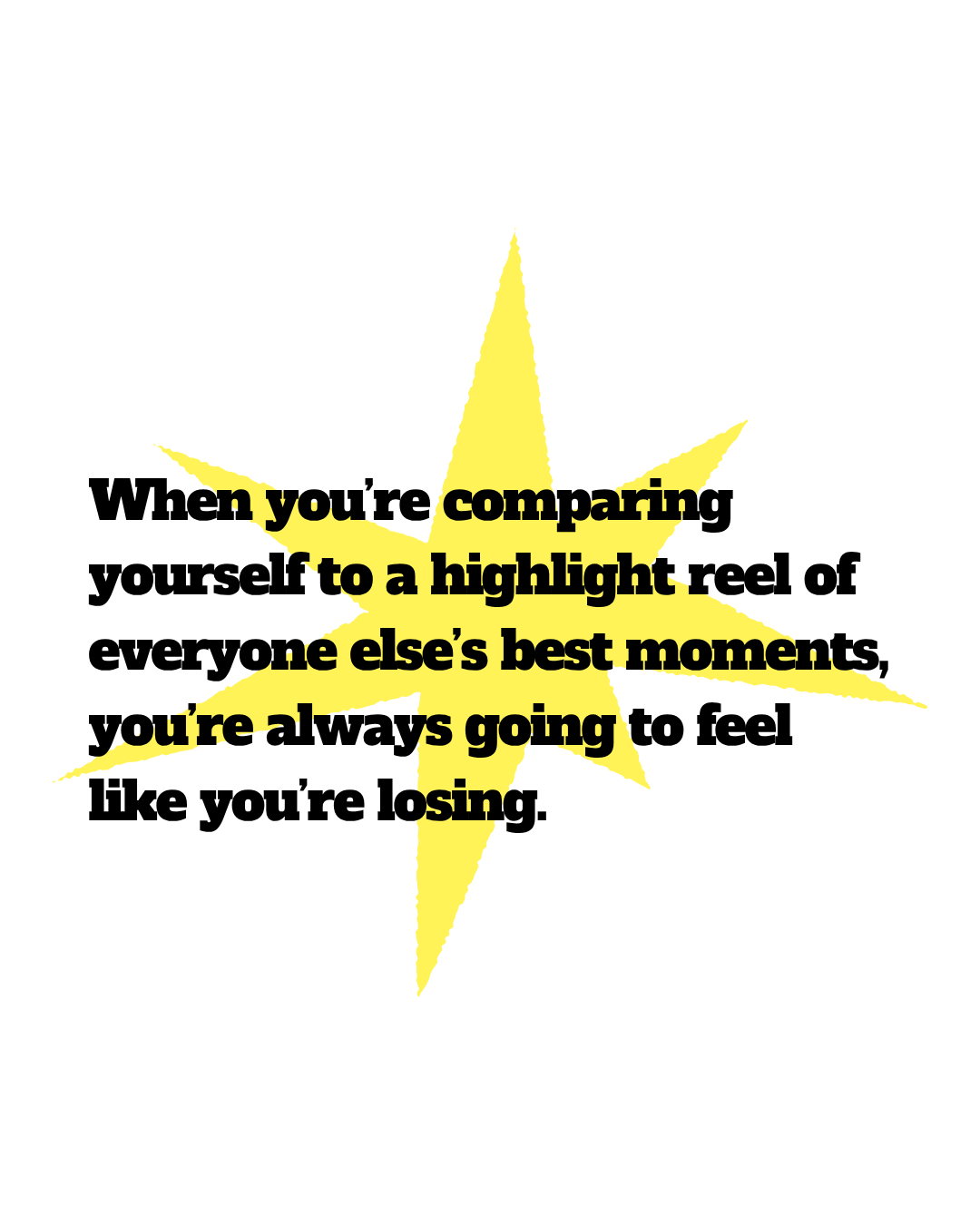
What’s actually happening behind the feeling of FOMO is what psychologists refer to as upward social comparison: aka comparing yourself unfavorably to others. And when you’re comparing yourself to a highlight reel of everyone else’s best moments, you’re always going to feel like you’re losing.
Unsurprisingly, studies show that high levels of FOMO are linked to increased anxiety, depression, and low self-esteem.
DON’T: believe everything you think.
When you see that pool party photo, your brain might immediately jump to: My friends don’t like me anymore or I’m always being left out. This is all-or-nothing thinking, and it’s almost never true!
It may feel true because your anxiety is signaling to your body that something is urgent and dangerous — the same way it would if you stumbled upon a bear in the woods. Our nervous systems haven’t evolved much.
DO: rewrite the story.
The next time you encounter all-or-nothing thinking, rewrite the story in a more realistic, grounded way: They had plans, and I just wasn’t there. It doesn’t mean anything about me or my friendships.
DON'T: doom scroll.
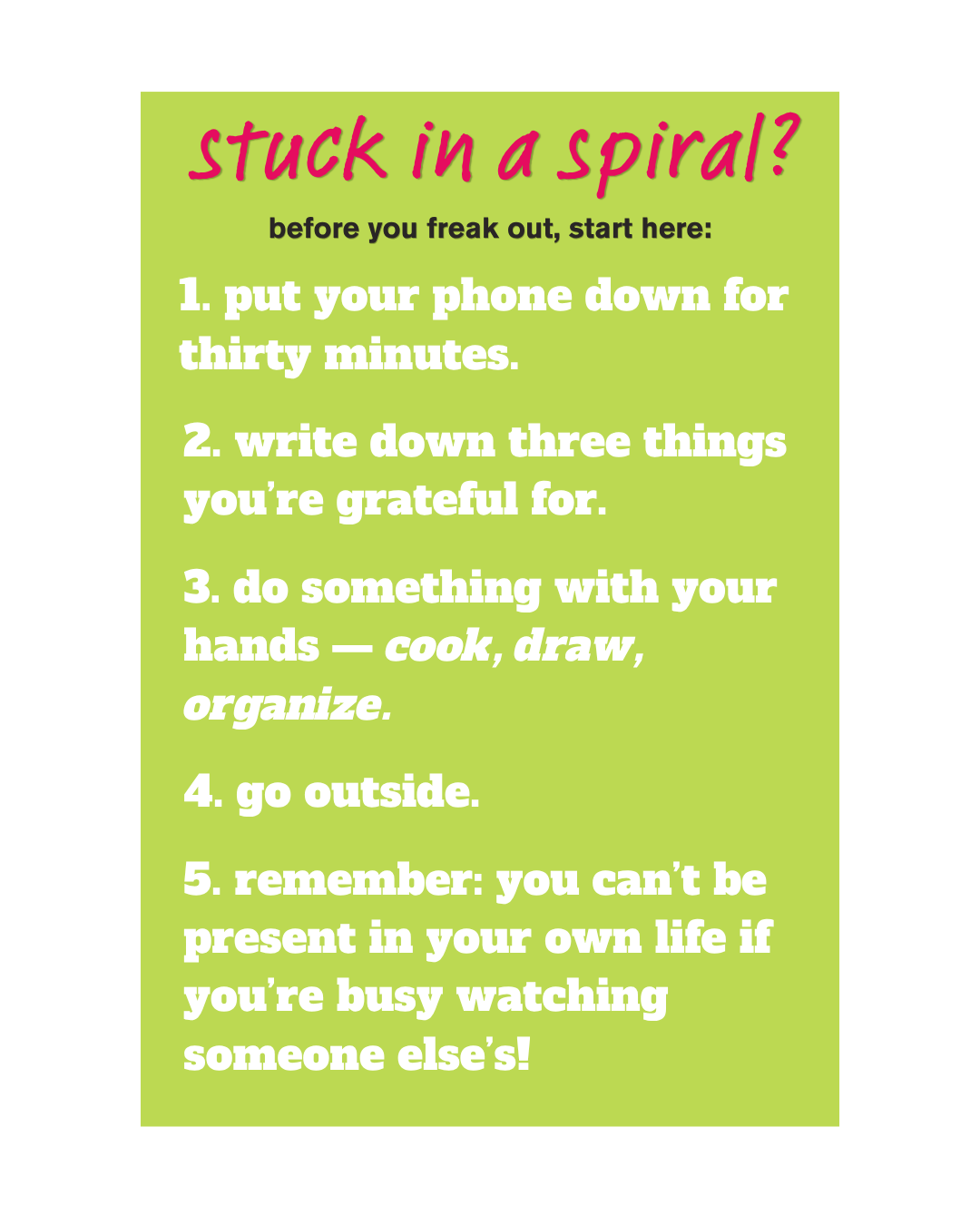
This one sounds obvious, but with the way our phones and social media have permeated every waking second of our daily lives, intentionally taking a break might be harder than you think.
You don’t have to go offline forever, but try putting your phone away when you’re eating a meal, hanging out with a friend, or even watching something on TV.
DO: redirect your attention.
Throw yourself into something else that fully captures your attention. Your attention is valuable — social media platforms and advertising companies are making money off of it! — and it deserves to be redirected toward something that brings you joy.
Get so completely absorbed in something – a book, an art project, a new recipe, yoga, the sound of birds in the trees outside your window — that you forget your phone even exists.
DON’T: let FOMO keep score.
FOMO wants to shift your focus to what you don’t have, instead of reminding you of all the wonderful things that you do have.
DO: make a gratitude list.
It can be simple! Your family, your home, your pet, your favorite meal. Maybe the reason you’re feeling left out is because you value your friendships so much — and isn’t it a gift to have such good friends?